
Mark W
Well-known member
I know this has been discussed before and I searched through the threads. A couple were even mine.
I had purchased new tires for my duck boat trailer before last season. A couple weeks back I noticed one had gone flat. Sure enough, a small pinhole caused the leak and the tire was unrepairable.
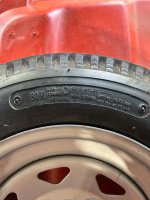
Had the new tire mounted yesterday and I was asked what pressure I wanted it inflated to to which I replied 50psi. When I picked up the tire, the manager said the tire says it is rated for 90pshi and was I sure I didn't want the pressure higher. I asked what pressure he would recommend and he said 90psi.
This just seems really high to me. The total weight on that trailer is well under the recommended maximum load capacity. I would guess somewhere near 225lbs total including motor and gear. I really don't want to over inflate or under inflate. Tire size is 4.80 X 12
Any tire experts here that care to weigh in?
I had purchased new tires for my duck boat trailer before last season. A couple weeks back I noticed one had gone flat. Sure enough, a small pinhole caused the leak and the tire was unrepairable.
Had the new tire mounted yesterday and I was asked what pressure I wanted it inflated to to which I replied 50psi. When I picked up the tire, the manager said the tire says it is rated for 90pshi and was I sure I didn't want the pressure higher. I asked what pressure he would recommend and he said 90psi.
This just seems really high to me. The total weight on that trailer is well under the recommended maximum load capacity. I would guess somewhere near 225lbs total including motor and gear. I really don't want to over inflate or under inflate. Tire size is 4.80 X 12
Any tire experts here that care to weigh in?