
Algae and Dogs

Rick Kyte

Well-known member
Read the AP story here about the blue-green algae bloom in midwestern lakes.

http://www.lacrossetribune.com/news/state-and-regional/wi/article_ac580f5e-abe3-11de-b3a9-001cc4c002e0.html?mode=story

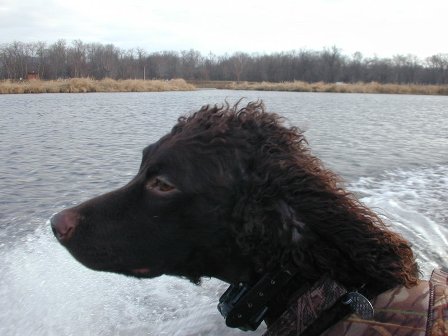
After the youth hunt my AWS was showing all the signs of an ear infection: shaking his head constantly, whining when I touched his ears. Took him to the vet and the ears were clean. He figured he had an allergic reaction and prescribed a 4 day dose of prednisone, which has relieved the symptoms. He suggested I give him benedryl next time I take him hunting, one before and one after.

I'm wondering if he could have had an allergic reaction to the algae. It was pretty thick in some of the spots where we hunted.

Anybody else had problems with this?

Rick
 
Rick,
The limited knowledge I have of that type of algae is its bright neon yellow or blue in appearance. The majority of what we see duck hunting is dark green so I think we are safe. Apparently the dangerous blooms are often caused by run off of fertilizer.
 
Rick,

I put off answering, sorry. The toxins produced by cyanobacteria (blue-green algae) fall into 3 groups: Dermotoxins (skin), Neurotoxins (nervous system), Hepatotoxins (liver). They can be at pretty high levels in water with superabundant algal growth and are often at levels that woudl make you pretty sick. When cyanobacteria are particularly abundant, we don't let Pete drink the water, but that isn't practical since you need to be able to tell cyanobacteria from other common algae. Once there is a chill in the air cyanobacteria don't thrive, so it isn't usually an issue during the hunting season.

As for your dog, it could have been an allergic reaction, but I doubt to cyanobacteria (for no real reason though). If levels were high enough there could have been some sort of reaction, dermotoxins could produce itching.

To put it in perspective, dogs, cattle and people have died, but it isn't common at all to find levels high enough to do harm.

T
 
Thanks for the detail Tod! I was just wondering about that as my Lab was swimming amongst a pile of algea/moss the other day in 85 deg heat. I think she is ok thanks to your detailed reply. todd
 
since I opened this can of worms, let me mention some ID tips of water that is suspect. As Brandon said, high nutrient water is highly suspect. Many problems have been golf course ponds where the highly fertilized water runs off from all directions into little ponds. Ponds in cattle pastures with a lot of erosion woudl eb suspect, we have found high levels in large water bodies, but that was in scummy backwaters where the wind pushed the surface film up during an algal bloom.

Cyanobacteria are usually blue-green not usually grass green as green algae is, but this is subjective and they can be pretty grass green at times. It is tough to say to a bunch of water dog owners, but avoiding drinking really blue green or green chunky or foamy water is a good idea. The risk is really low overall though.
 
I lost my black Lab to green algea in a tributary of the Chesapeake bay several years ago. The color was bright apple green, looked like paint on the water. Several dogs died that week in our area. One waterskier also died. All with liver failure. Swam in the evening, dead in the morning.
 
Back
Top