
Ray
Well-known member
With the change in employers this fall I have also gained access to more training. One of the required classes is "Aviation Land and Water Survival" taught by Learn to Return here in Anchorage.
Its a very basic "awareness" level two day survival class. Day one was "I lived through the plane crash on land, now what?" kind of stuff. Inconvenient camping in the snow, not much different than any other day up here. However we did get to see lots of cool gear, and use several different fire starting methods - cotton balls with mooshed up chapstick is awesome, and the newer all in one fire steels are great.
Day two was all about the water, and how to get out of the upside down plane/helicopter. Spent three hours in the pool fully dressed over a farmer john style wet suit. I didn't know what to expect about being upside down strapped into a chair under water.
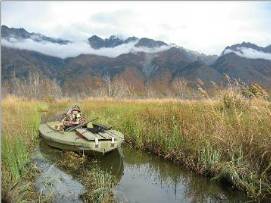
I have not been in a pool in over 20 years. the last time I was swimming was when I stepped out of the duck boat and found out my push pole lied to me once the muck reached my waist and the water was just below the top of the waders. It took me half an hour to get back in the boat that day.
Back to the pool. We started off being dunked and then crawling across a simulation on the bottom of the pool, which included opening a door at the end of the course. 15 feet of tunnel, chairs, dead guy stuck in a seat, then the door. Next was to be strapped into a seat that rotates and leaves you upside down under water, then crawl "out" through the course again. Then do it with four people all get stacked up on the course once someone can't open the door. Then do it with a PFD on. Really hard due to it floating you up away from the stuff you need to use to crawl out of the plane.
Then we move to the other plane simulator where we start out fine and then get tossed into the pool simulating a fixed wing plane going nose over into the water. Smashing face first into the water is not fun, and then being upside down and having to get the door open then unfastening a four point harness gets tricky.
In all I was never under water for more than 10 seconds, even with being spun upside down and crawling through the debris with other poeple.
The last part of the training was to get into a raft. Not possible for this fat old man with a weak left arm. With out the strong young guy already on the raft I would have never gotten in.
Take a ways are:
have a plan - know your environment and make a plan on how to get out when things stop being normal.
make a kit - build a simple kit to have in the truck/boat or work bag going on the plane with me (regulations cause issues with this for some commercial craft)
try it out - I learned two falls ago that getting back into the boat was hard, now that I am 1.5 armed it is even harder. With out getting your hands dirty, are you really trained?
There are lots more things to consider, but this about all I have time for right now.
http://www.survivaltraining.com/index-2.html
Its a very basic "awareness" level two day survival class. Day one was "I lived through the plane crash on land, now what?" kind of stuff. Inconvenient camping in the snow, not much different than any other day up here. However we did get to see lots of cool gear, and use several different fire starting methods - cotton balls with mooshed up chapstick is awesome, and the newer all in one fire steels are great.
Day two was all about the water, and how to get out of the upside down plane/helicopter. Spent three hours in the pool fully dressed over a farmer john style wet suit. I didn't know what to expect about being upside down strapped into a chair under water.
I have not been in a pool in over 20 years. the last time I was swimming was when I stepped out of the duck boat and found out my push pole lied to me once the muck reached my waist and the water was just below the top of the waders. It took me half an hour to get back in the boat that day.
Back to the pool. We started off being dunked and then crawling across a simulation on the bottom of the pool, which included opening a door at the end of the course. 15 feet of tunnel, chairs, dead guy stuck in a seat, then the door. Next was to be strapped into a seat that rotates and leaves you upside down under water, then crawl "out" through the course again. Then do it with four people all get stacked up on the course once someone can't open the door. Then do it with a PFD on. Really hard due to it floating you up away from the stuff you need to use to crawl out of the plane.
Then we move to the other plane simulator where we start out fine and then get tossed into the pool simulating a fixed wing plane going nose over into the water. Smashing face first into the water is not fun, and then being upside down and having to get the door open then unfastening a four point harness gets tricky.
In all I was never under water for more than 10 seconds, even with being spun upside down and crawling through the debris with other poeple.
The last part of the training was to get into a raft. Not possible for this fat old man with a weak left arm. With out the strong young guy already on the raft I would have never gotten in.
Take a ways are:
have a plan - know your environment and make a plan on how to get out when things stop being normal.
make a kit - build a simple kit to have in the truck/boat or work bag going on the plane with me (regulations cause issues with this for some commercial craft)
try it out - I learned two falls ago that getting back into the boat was hard, now that I am 1.5 armed it is even harder. With out getting your hands dirty, are you really trained?
There are lots more things to consider, but this about all I have time for right now.
http://www.survivaltraining.com/index-2.html