
Trailer Tire Pressure

Mark W

Well-known member
I know this has been discussed before and I searched through the threads. A couple were even mine.

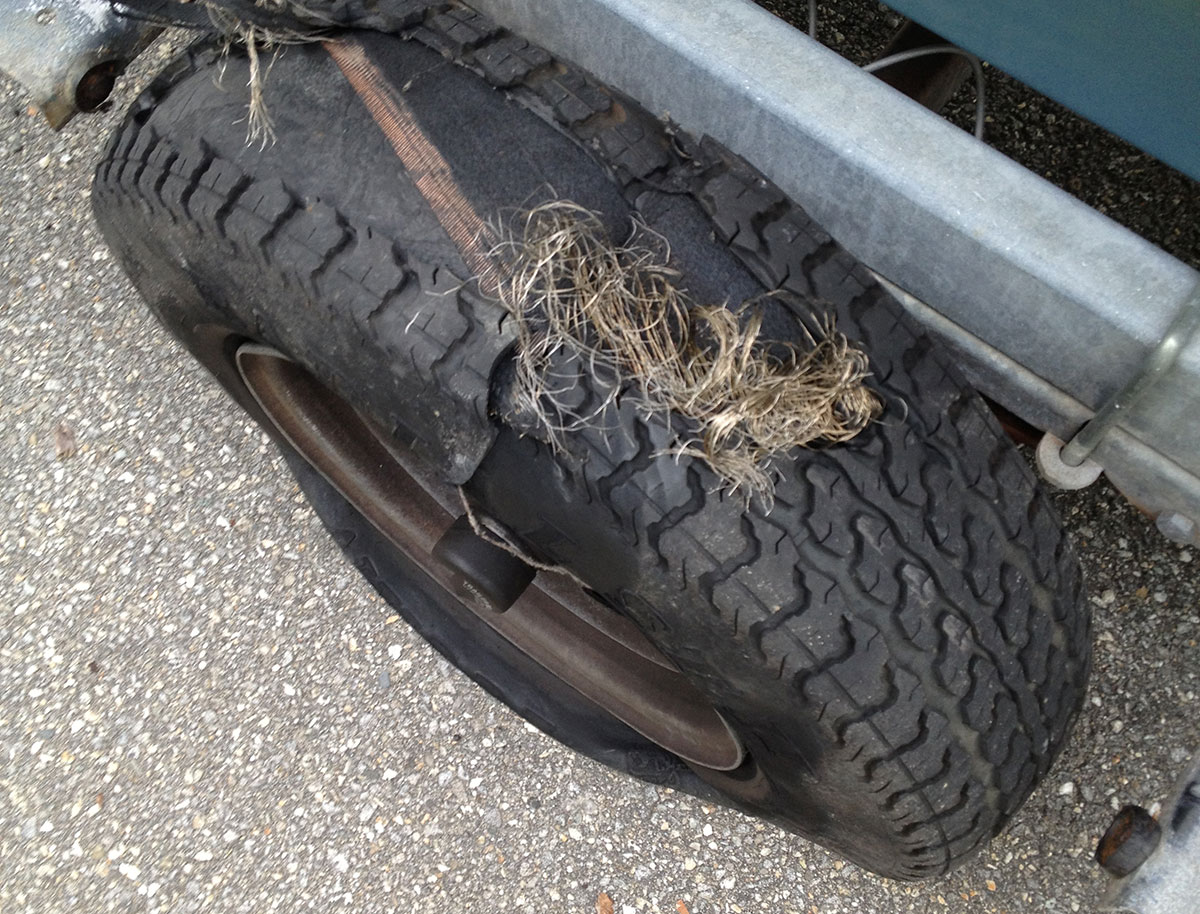
I had purchased new tires for my duck boat trailer before last season. A couple weeks back I noticed one had gone flat. Sure enough, a small pinhole caused the leak and the tire was unrepairable.

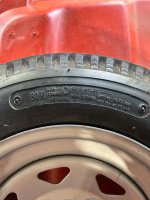
Had the new tire mounted yesterday and I was asked what pressure I wanted it inflated to to which I replied 50psi. When I picked up the tire, the manager said the tire says it is rated for 90pshi and was I sure I didn't want the pressure higher. I asked what pressure he would recommend and he said 90psi.

This just seems really high to me. The total weight on that trailer is well under the recommended maximum load capacity. I would guess somewhere near 225lbs total including motor and gear. I really don't want to over inflate or under inflate. Tire size is 4.80 X 12

Any tire experts here that care to weigh in?
 

Attachments

  • tire.jpeg
    tire.jpeg
    236.6 KB · Views: 6
I usually run my trailer tires at 25psi! Similar to you my loads are far lower the rating of the trailer. I use the tires to compensate for the springs some. On the big boat, I do run higher, but not 90. Like you 50 psi is the max. I generally don't run long distance, and when I do , I check the tires, and hubs after a few hours just to make sure all is well. So far, my wear has been typical, and the tires dry rot long before they wear out.
 
I run my 4.80 X 12 tire4s at 35 psi, I bet my whole rig is less than 500 pounds as well.
Ask 10 people about trailer tire pressure and get 10 answers!
 
Your tire is designed to be run at the higher pressures. Fill it up. Generally speaking, trailer tires need to be run at/near capacity to maximize tire and tread life. If you run a 90 psi tire at 50 psi, you're reducing the load it can handle by 40-50%. Probably not an issue in and of itself given your boat/trailer weight, but remember a load range C is "lighter load" to start with and has fewer plies, meaning it is relying more on internal pressure for structure.
 
Last edited:
What Henry said. If you decrease the pressure more than 10%-15% below maximum you can expect accelerated tire wear with more likelihood of a flat. Small tires generally need higher pressure to retain an efficient shape, i.e. not running with a flat spot and bulging sidewalls. Follow the manufacturers recommendations. Don't play test pilot on public roads, somebody else can get hurt when a trailer goes AWOL.
 
For automobile tires I have used a combination of the 4psi rule and what the door sticker says. Trailer tires I have always used the tire pressure indicated by the manufacturer decal located on the inside of the frame. I have tried the maximum tire pressure but damn, it rides like a rock wagon! Like you said, ask ten people and get ten different answers. RM
 
Like you said, ask ten people and get ten different answers. RM
Asking 10 people is the mistake... ask your tire or trailer person. There are trailer tires that don't require high air pressures - but if you choose high air pressure tires then please use the correct air pressure - if not for your and your gear's sake then for yhe rest of us on the road.

And, no, I'm neither a tire nor trailer expert. But I've had this conversation with enough who are to be confident that there are not multiple correct answers to this question (regardless of how many answers are offered).
 
Asking 10 people is the mistake... ask your tire or trailer person. There are trailer tires that don't require high air pressures - but if you choose high air pressure tires then please use the correct air pressure - if not for your and your gear's sake then for yhe rest of us on the road.

And, no, I'm neither a tire nor trailer expert. But I've had this conversation with enough who are to be confident that there are not multiple correct answers to this question (regardless of how many answers are offered).
Henry,
How do you mitigate the rough ride? Your transom has to be worth protecting as well. I'm not sure why the experts feel that the label for recommended tire pressure on the trailer is a bad recommendation. Isn't the maximum pressure just that; the maximum allowed with a reasonable allowance for less pressure given lighter loads? I'm always careful to maintain the shape of the tire ie. no bulge where it meets the road.
RM
 
Maybe the better question is what tires are high pressure? Motorcycle and semi tires are the only ones that come to mind and I was always meticulous with the correct pressure in those cases. When we purchased our toy hauler I asked this very question. The techs pretty much shrugged. So much for the experts.
RM
 
Last edited:
. I think the confusion, at least for me, is when the sidewall differs from the trailer manufacturers recommendation.
If the trailer mfr recommendation is, say, 50 psi and you want to inflate to that, you need to buy tires with max psi in the 50-60 psi range (which is almost certainly what came with a trailer with such recommendations). But, if you install 90 psi tires you need to inflate more than 50-60, or you'll risk overheating and blowing out the tire (at worst) or wearing out the tire early (at least - though rarely a big deal for recreational users like us whose tires go bad before they wear).

I think the main point is to try to match tires to use, then use the tires correctly.

As an example, I recently bought a Ford Expedition. Ridiculously, unless you buy a specific off-road package, the big SUVs these days only come with huge (22-24") wheels and low or fairly low profile tires. Ford calls for a 39psi on all corners. The tires are max 45psi cold, so probably close enough to run at Ford's recommendation - though full pressure would probably wear better and last longer, it may also lessen the road ride. I'll probably experiment a little between 39 and 45 to see what I think and how they wear.

When I wear out this set of tires, I'll almost certainly put a set of 18" wheels on the vehicle. That will allow me to put on proper tires that can be aired down aggressively when needed (sand, etc.) and also aired up a bit for heavy loads/trailering. Those tires will almost certainly have a much higher pressure requirement than what thw truck has now, and I'll need to work more off the tire than off the truck sticker. I fully expect the Expedition will be even more comfortable on the road with smaller wheels and higher profile tires, even aired up well over the current tires.

The same was true with my old F250 - I wanted a higher ply tire for both off road and trailering, and went from 40/45 psi tires to 80 psi tires. As I recall, I ran them at around 72 most of the time. I could safely air down to the 20s for beach sand - but I would have destroyed those tires quickly if I'd run them on the road at the truck sticker recommendations.

The bottom line is that sticking with vehicle recommendations for tire inflation is the right thing to do AS LONG AS you don't make major changes to wheel size and/or type of tire. But, if you go with wheels and/or tires that are significantly different from mfr spec, you'll most likely need to modify your inflation to more closely match the tire needs.

Like you guys, I run 45-50 psi on my trailers. But that is what my trailers and tires call for. If I had 90 psi tires put in, I'd need to air up considerably.

EDIT - I should qualify all this by saying this almost doesn't matter nearly as much if trailering is limited to short trips or primarily off road. But I tow my enclosed trailer longer distances at highway speeds and think that is where it is critical to get it right.
 
Last edited:
My wife always accuses me of being too black and white so I am chuckling to myself about defending the grey area on tire pressure. Case in point: My Poleboat needed a trailer and the best fit was a PWC trailer. Recommended tire pressure meant the trailer was in the air more than it touched the road. The reason for being airborne was I didn't need 1,000 lbs capacity, only a couple hundred and the fact that we live with some pretty horrible roads (most money is spent in Minneapolis). Once I dropped the tire pressure, it behaved quite nicely.
RM
 
For sure, you can definitely get too much trailer for your load - then you have to make decisions/sacrifices to rectify issues and deal with the consequences. Light loads, short distances, infrequent use... probably not an issue other than maybe flat-spotting if it sits a long time. If you're going longer distances and higher speeds, you'd be better off modifying the trailer with appropriate springs and installing tires that are made for lower pressures.
 
Back
Top