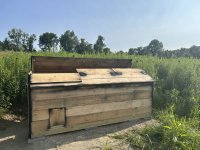
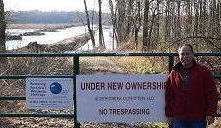
Probably wouldn't guess it to look at this well used old displaced hillbilly, but I'm the new kid at our SWLA camp whose "slice of paradise" was my pick of the blinds the guides with camp seniority didn't want. Still not a bad thing, given how relatively well the marsh its in is holding up to the changing dynamics of waterfowling on our end of the flyway. And I'd be lost throughout the long off-season without the riddles its construction and location present to solve..
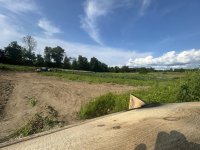
First rule of duck shooting being "Don't run 'em off.," the best concealment doesn't remind the birds of the last however many places that exploded on them. Yet, the long established blind pattern in our marsh is an irregular ring of open ponds with rubber-stamp brush pile blinds at their centers. surrounding a large, seldom disturbed rest area we call "the body" (of birds). And while proximity to the body's refuge is a wonderful thing, looking like the next blind, and the next and the next... is not. So my "duck farming" has been marsh-scaping by nurturing volunteer and transplanted vegetation to both change my blind's footprint and cover type and create additional similar cover patches in water decades of guides before me labored to keep open. Don't care that my eventual successor may cuss me for letting the pond get so ugly, just that the birds approaching it during my time aren't reminded of our and most other hunter's blinds.
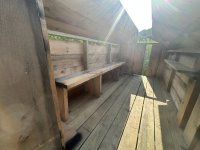
Was plenty of refurbishing and remodeling the derelict blind, itself, to suit my purpose and taste, but that's about knocked out as well as I know how, given its givens. Worst part now is the waiting to test potential rig improvements. Well, that and air-brushing other species into black-belly decoys when the humidity backs off some. Know I'm on the wrong site to admit as much, but I'm no fan of decoy painting.